
Beyond Comfort: The Art of Documentary Photography

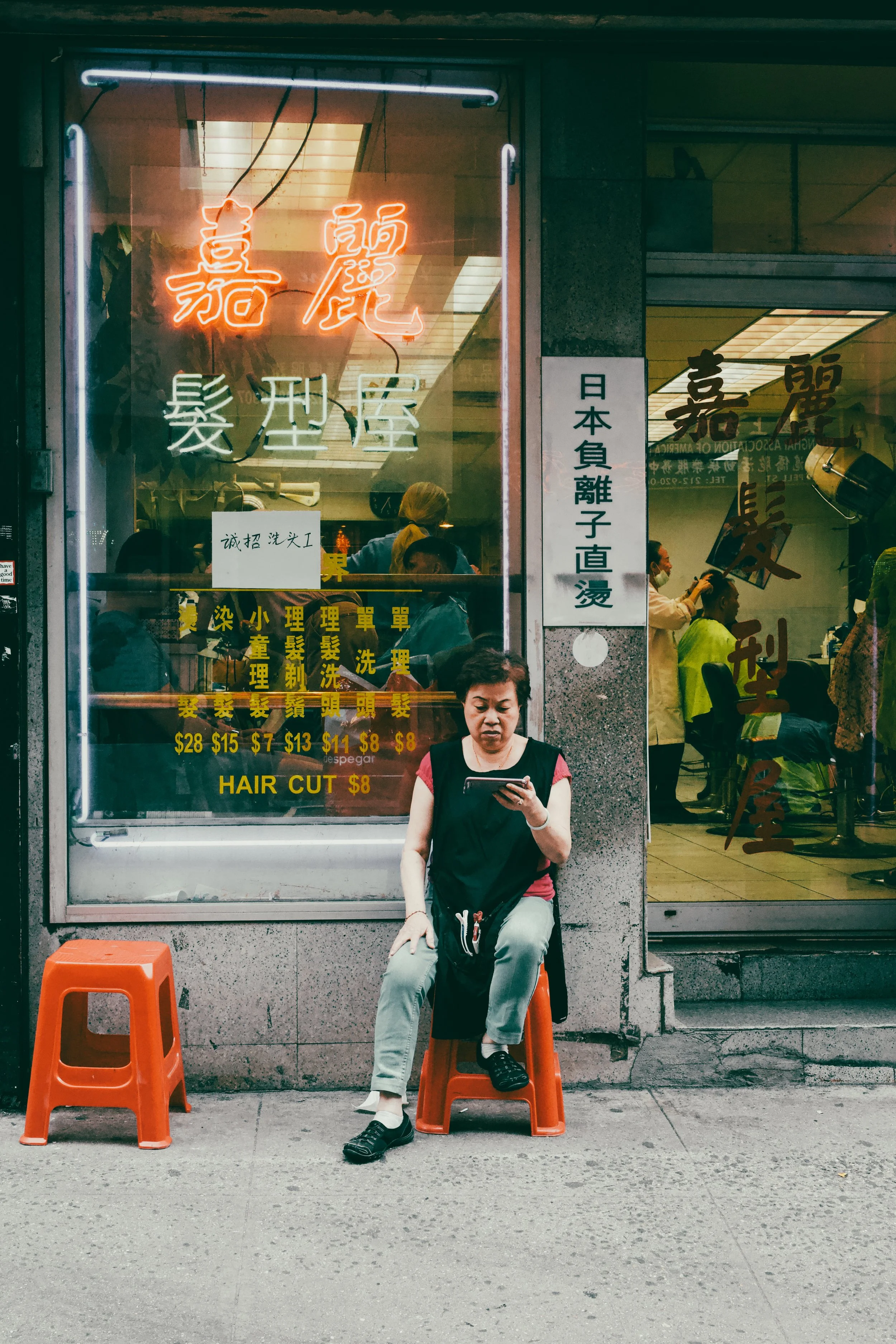
In the world of photography, few genres demand as much courage, adaptability, and a willingness to step beyond one's comfort zone as documentary photography. These visual storytellers are often tasked with capturing raw, unscripted moments in the hustle and bustle of everyday life.

Documentary photographers are akin to stage performers, but their stage is the unpredictable and ever-changing streets of cities, towns, and communities. They step out with their cameras as their instruments, ready to capture the unfiltered, unposed moments that unfold before them. It's a realm where uncertainty is a constant companion.

Documentary photographers must navigate the delicate dance of human interaction. They often find themselves approaching strangers, asking for permission to capture intimate moments, or blending into crowds to remain inconspicuous. This requires a unique blend of assertiveness, empathy, and respect for personal boundaries.
Stepping out of one's comfort zone means embracing vulnerability. It's about acknowledging that not every shot will be perfect, that rejection and unexpected challenges are part of the journey. Yet, it's in this vulnerability that authenticity and genuine connections are forged.

Documentary photographers are driven by a deep desire to capture authenticity. They seek moments that reveal the true essence of their subjects and the environments they inhabit. This pursuit often leads them to communities and places they might never have ventured otherwise.

Beyond their comfort zones, these photographers become champions of stories that matter. They shed light on social issues, cultural nuances, and individual narratives that might otherwise go unnoticed. They use their art to provoke thought, inspire change, and document the world's evolving tapestry.

While venturing beyond one's comfort zone as a documentary photographer is challenging, the rewards are immeasurable. The images captured in these moments hold a profound sense of truth and humanity. They become a testament to the richness and diversity of the world we inhabit.

In the realm of documentary photography, comfort zones are meant to be pushed, boundaries tested, and vulnerability embraced. It's through these fearless acts of photography that stories are told, voices are heard, and truths are revealed. Street and documentary photographers are not just image-makers; they are storytellers who venture where others might hesitate. They remind us that it's only by stepping beyond our comfort zones that we truly see the world in all its unfiltered, authentic glory.

10 Obvious Reasons Why You Should Shoot Some Film in Street Photography

Street photography is an art form that captures the essence of everyday life in candid moments. In a world increasingly dominated by digital technology, I see many photographers shooting film over the last two years. While digital cameras offer convenience and instant results, there's a timeless charm and unique experience to shooting film in street photography. These are the 10 obvious reasons why you should consider shooting film on your next street photography adventure if you not doing so already.

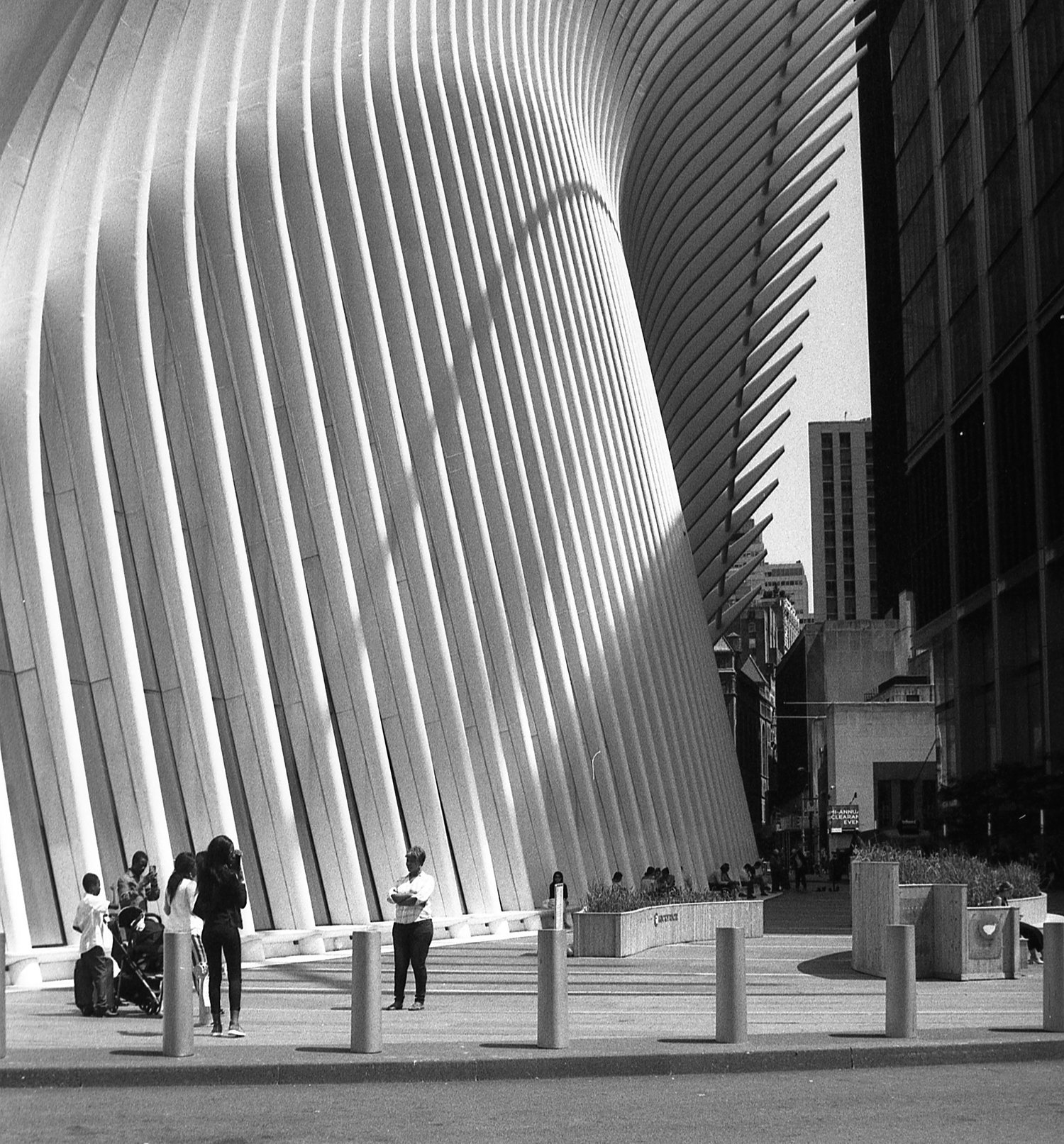
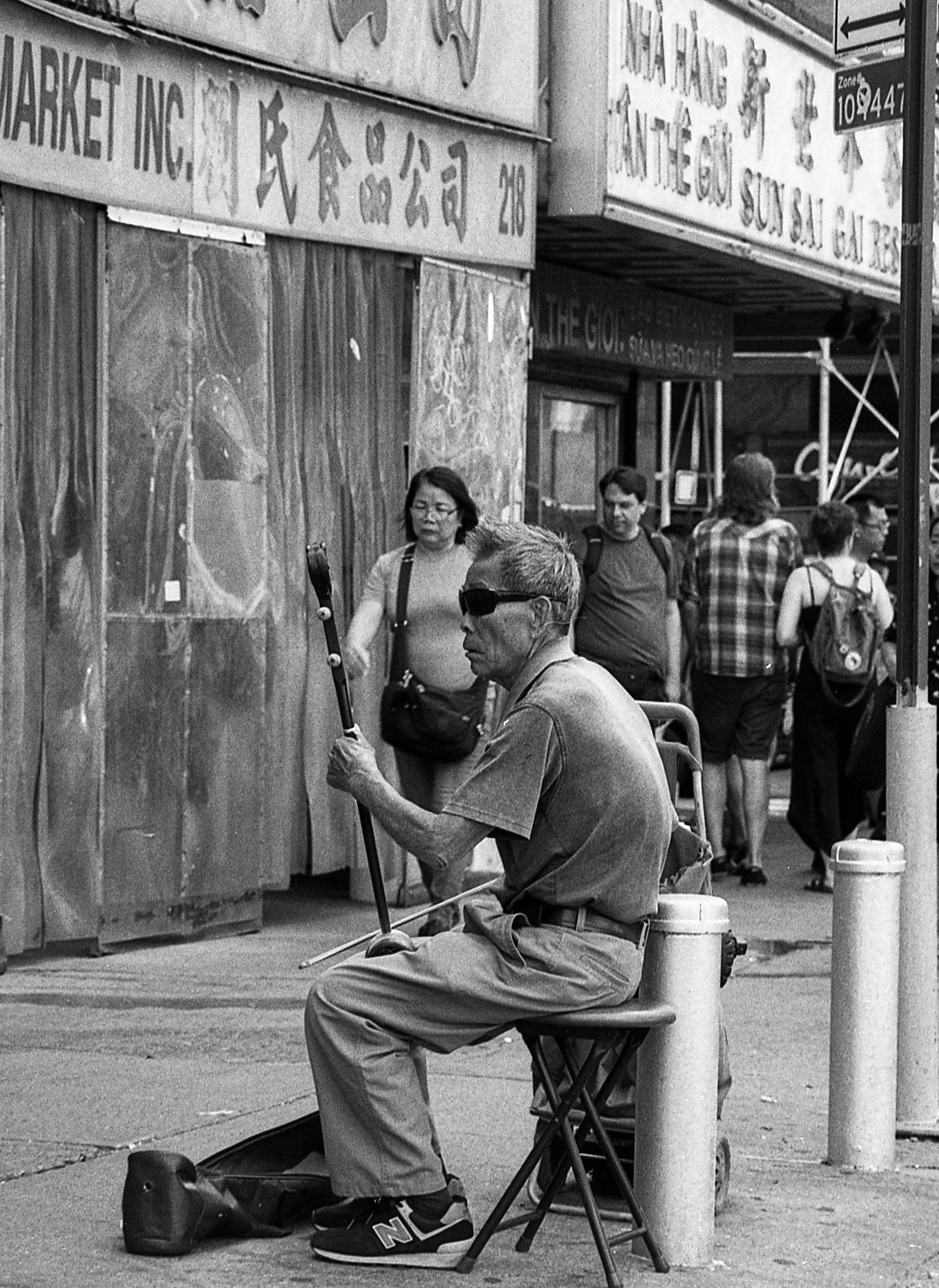
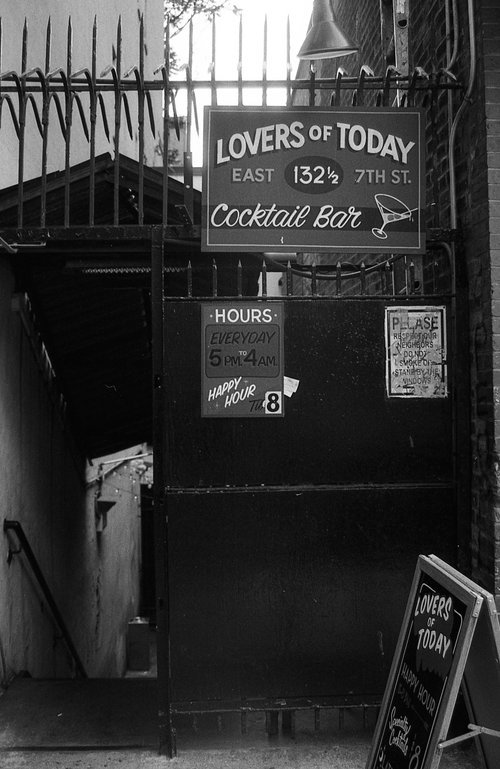
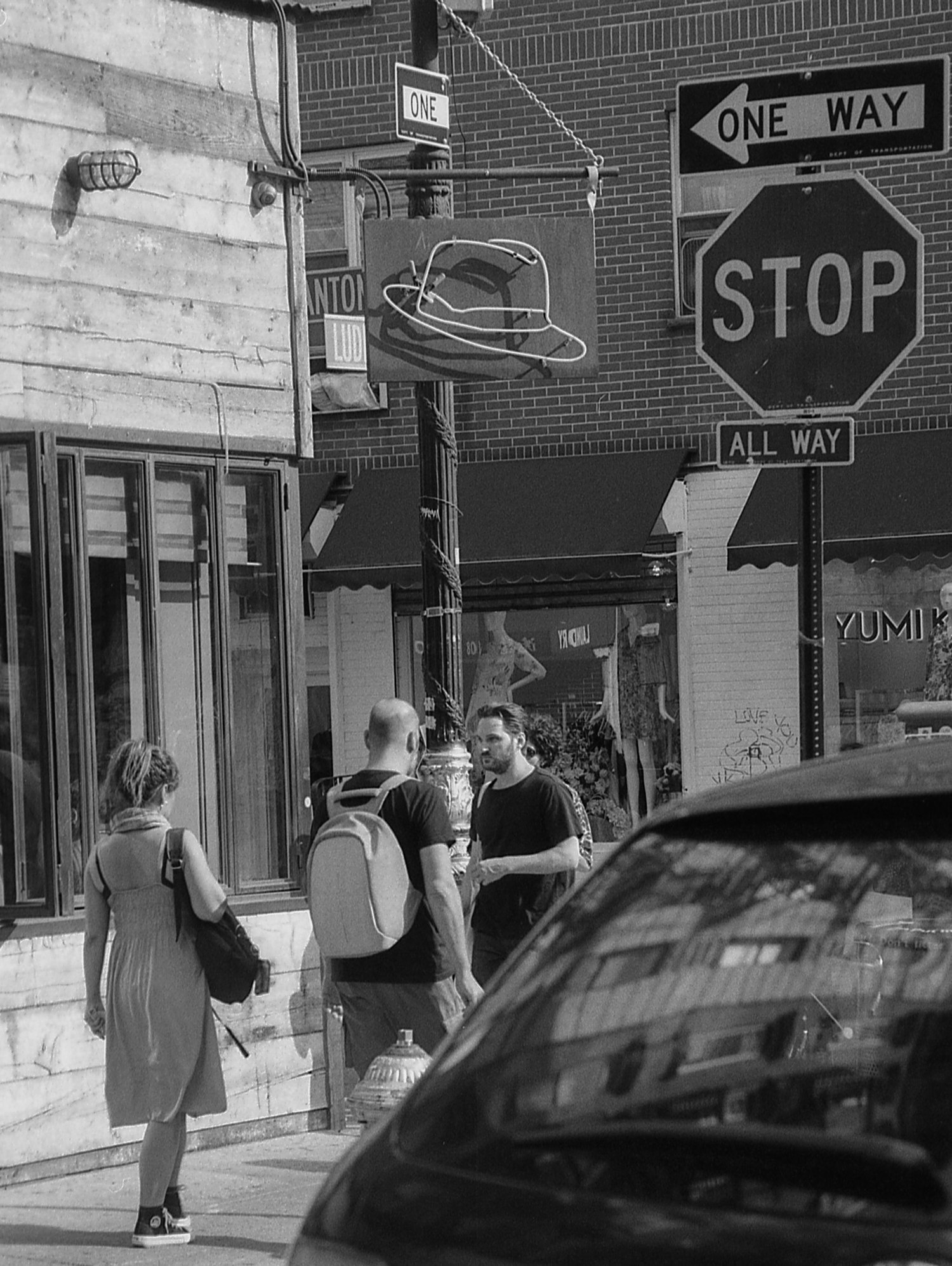
Film photography encourages a slower, more deliberate approach. With a limited number of exposures on a roll of film, you'll find yourself carefully composing each shot, resulting in more thoughtful and intentional photographs.
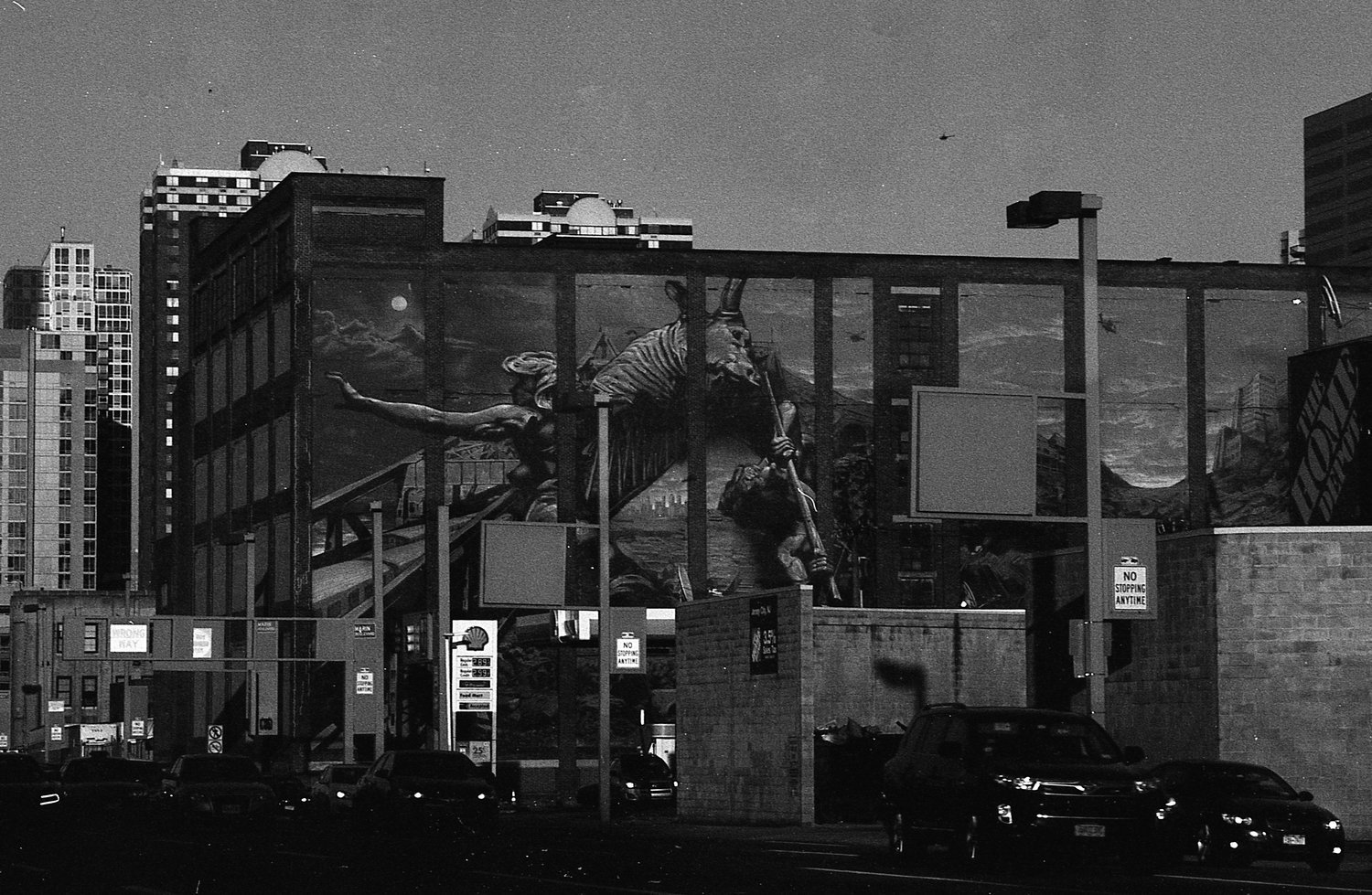
Film is not perfect, and that's part of its charm. Film grain, light leaks, and unexpected imperfections add character to your street photographs, making each image a unique and authentic representation of the moment.

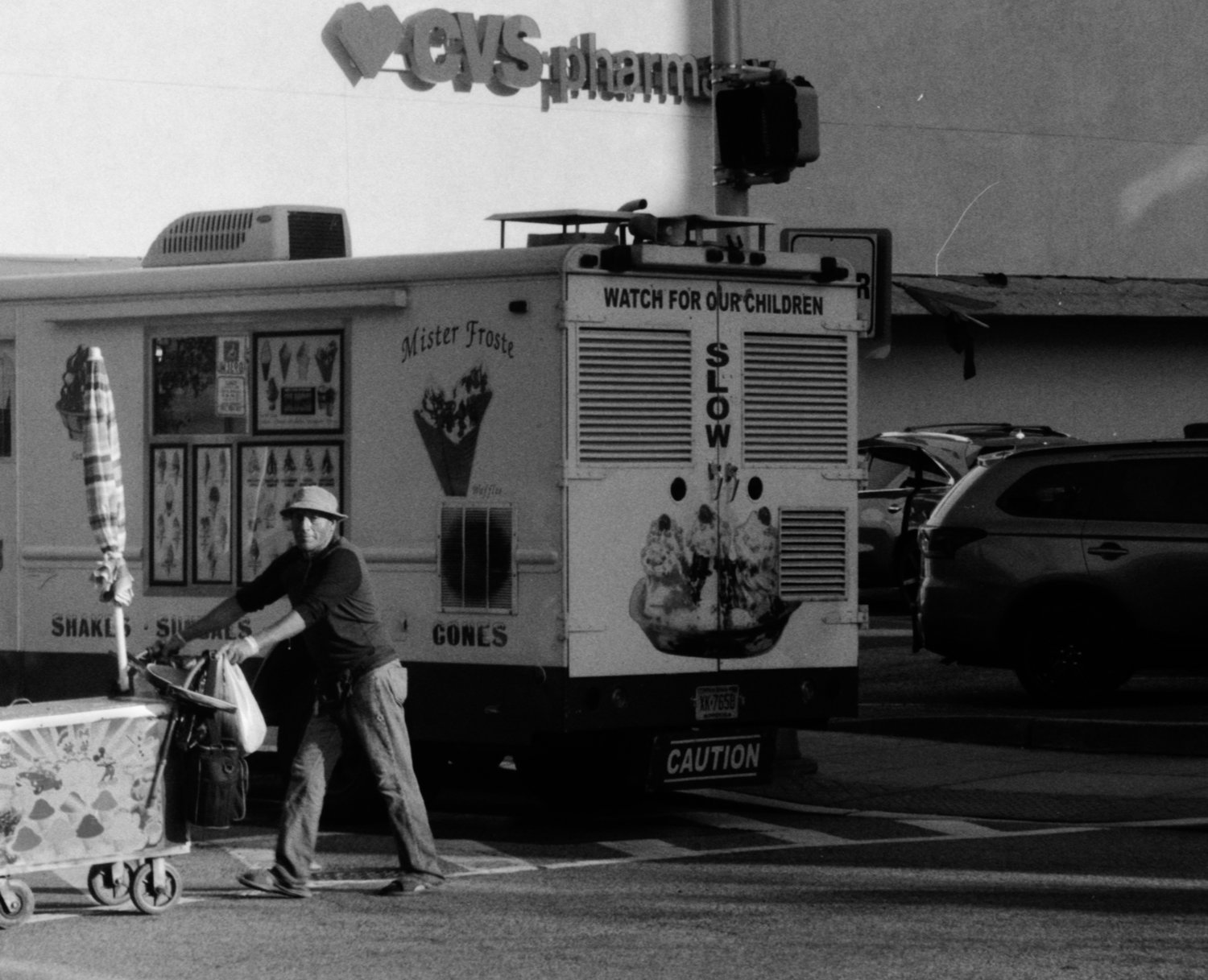
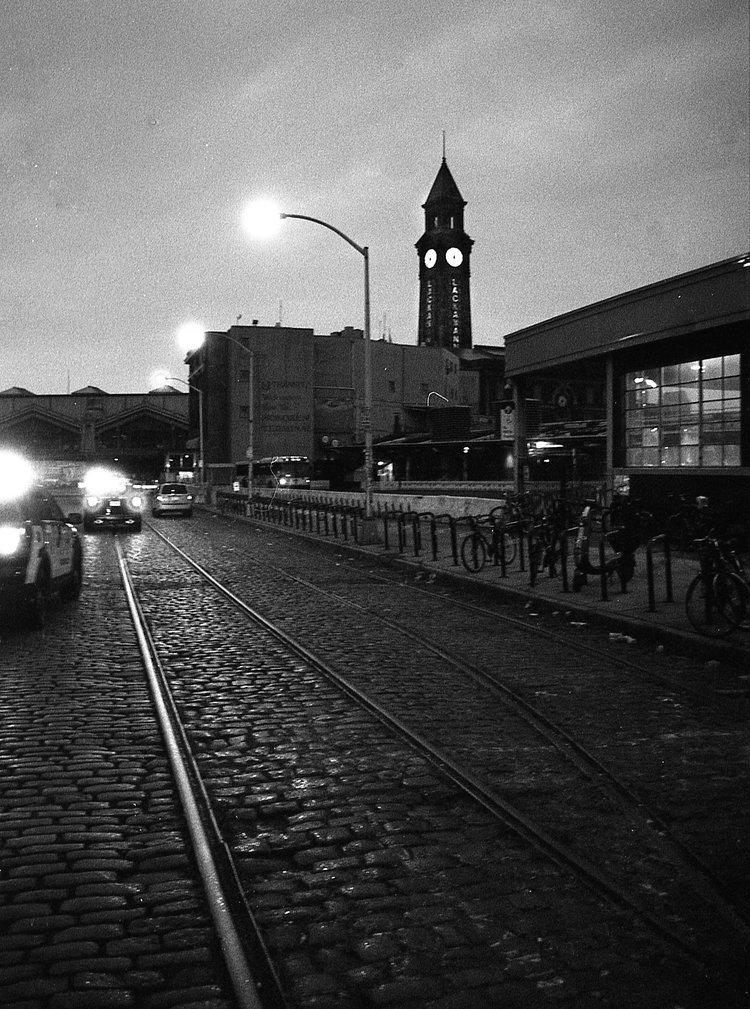
Shooting film hones your exposure skills. Without the luxury of instantly reviewing your shots, you'll learn to read light, make exposure calculations, and adapt to changing conditions of your surroundings.
If you choose to develop your own film, it will give you greater control over the development process, allowing for creative adjustments in contrast, tonality, and color grading. This hands-on approach can result in images that truly match your artistic vision.


Film photography teaches patience. You'll eagerly anticipate the moment you can develop and see your images, fostering a deeper connection to your work and a sense of anticipation that digital often lacks.
Shooting film connects you with photography's rich history. You'll appreciate the techniques used by legendary street photographers who captured iconic images long before the digital era.

The finite number of frames on a roll forces you to make every shot count. This limitation encourages creativity, making you more selective and purposeful in your street photography.
Film photography culminates in tangible prints. Holding a physical photograph you've created is a gratifying experience that digital images, often lost in the depths of hard drives, can't replicate.


Different film stocks offer unique color renditions. Experimenting with various films allows you to achieve distinctive color palettes, adding a creative element to your street photography.
There's a nostalgic charm to film photography that resonates with both photographers and viewers. Shooting film in street photography can evoke a sense of nostalgia and transport viewers to a different time, enhancing the emotional impact of your images.

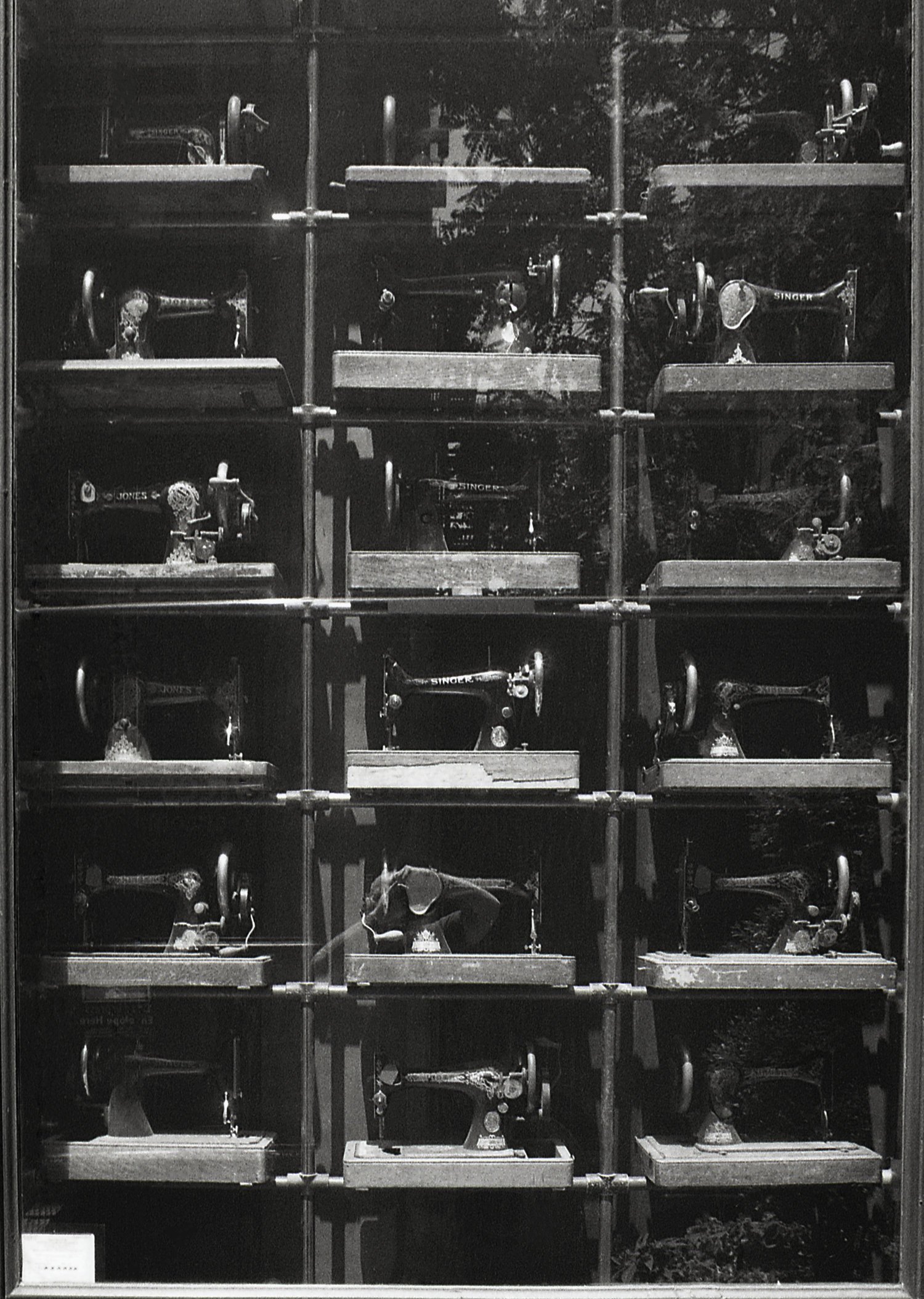
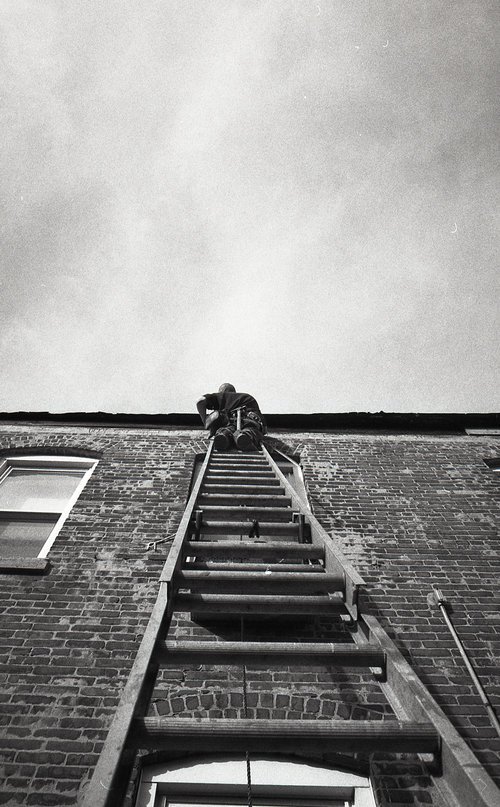
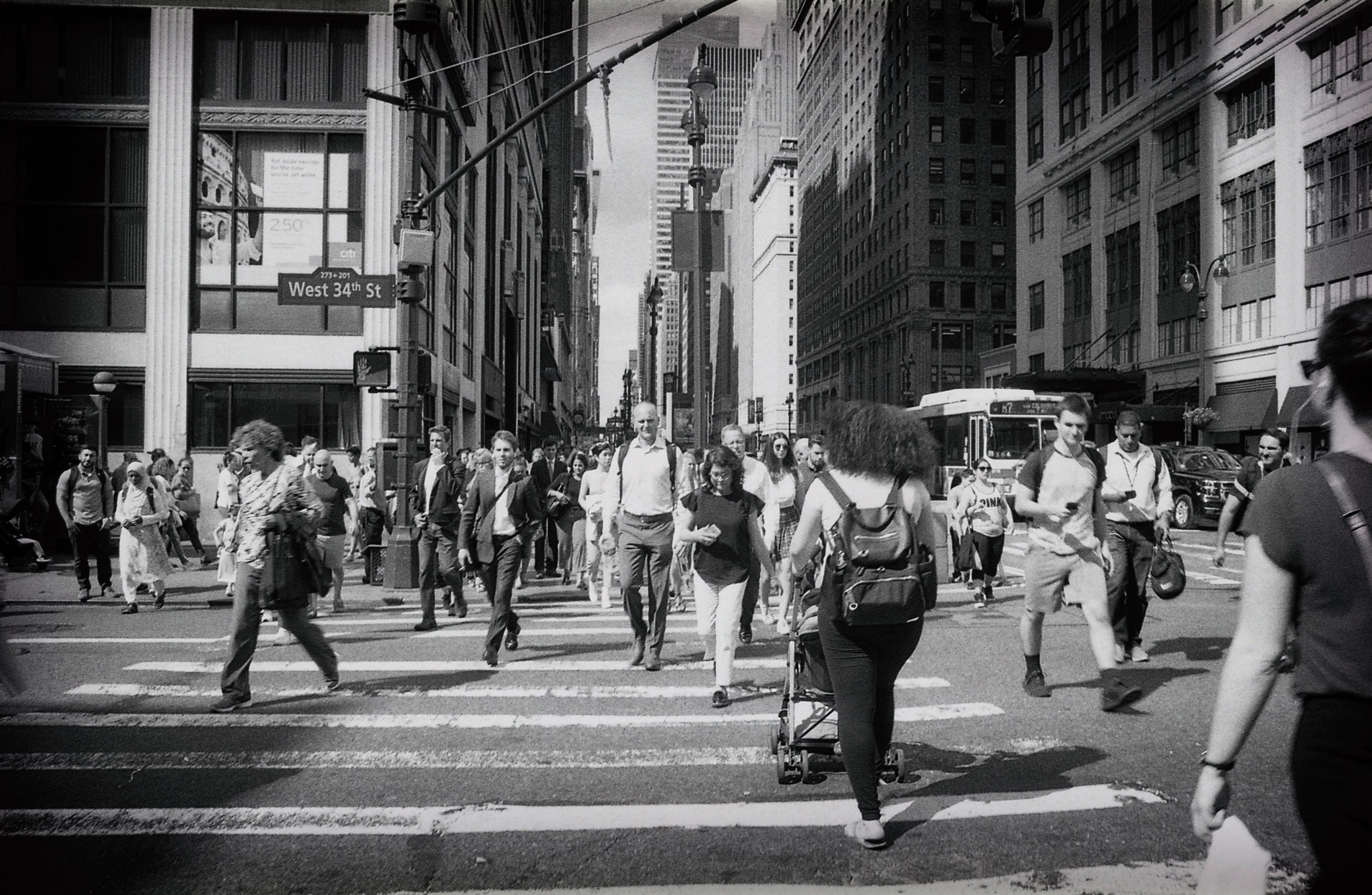
While digital photography offers many advantages, shooting film in street photography provides a distinct and rewarding experience. It encourages a deeper connection with your craft, a unique aesthetic, and a sense of nostalgia that can elevate your work. Whether you're a seasoned photographer or new to the art of street photography, embracing film can unlock a world of creative possibilities and enrich your journey as a visual storyteller. So, grab your film camera, hit the streets, and capture the world through the timeless lens of analog photography
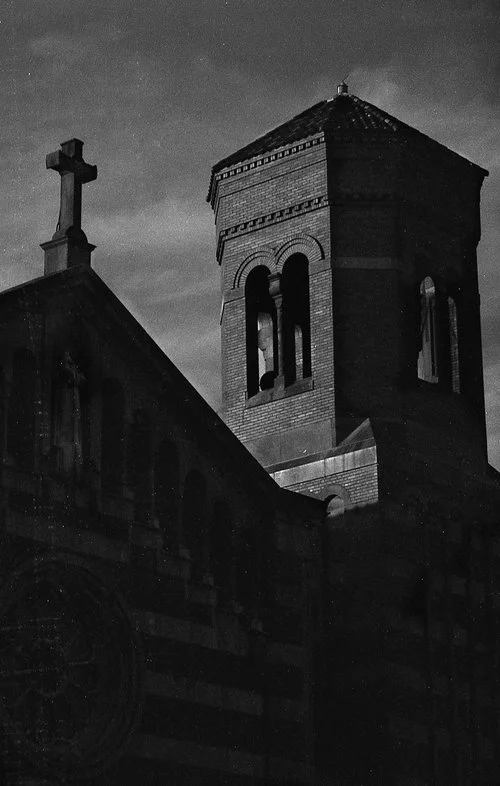
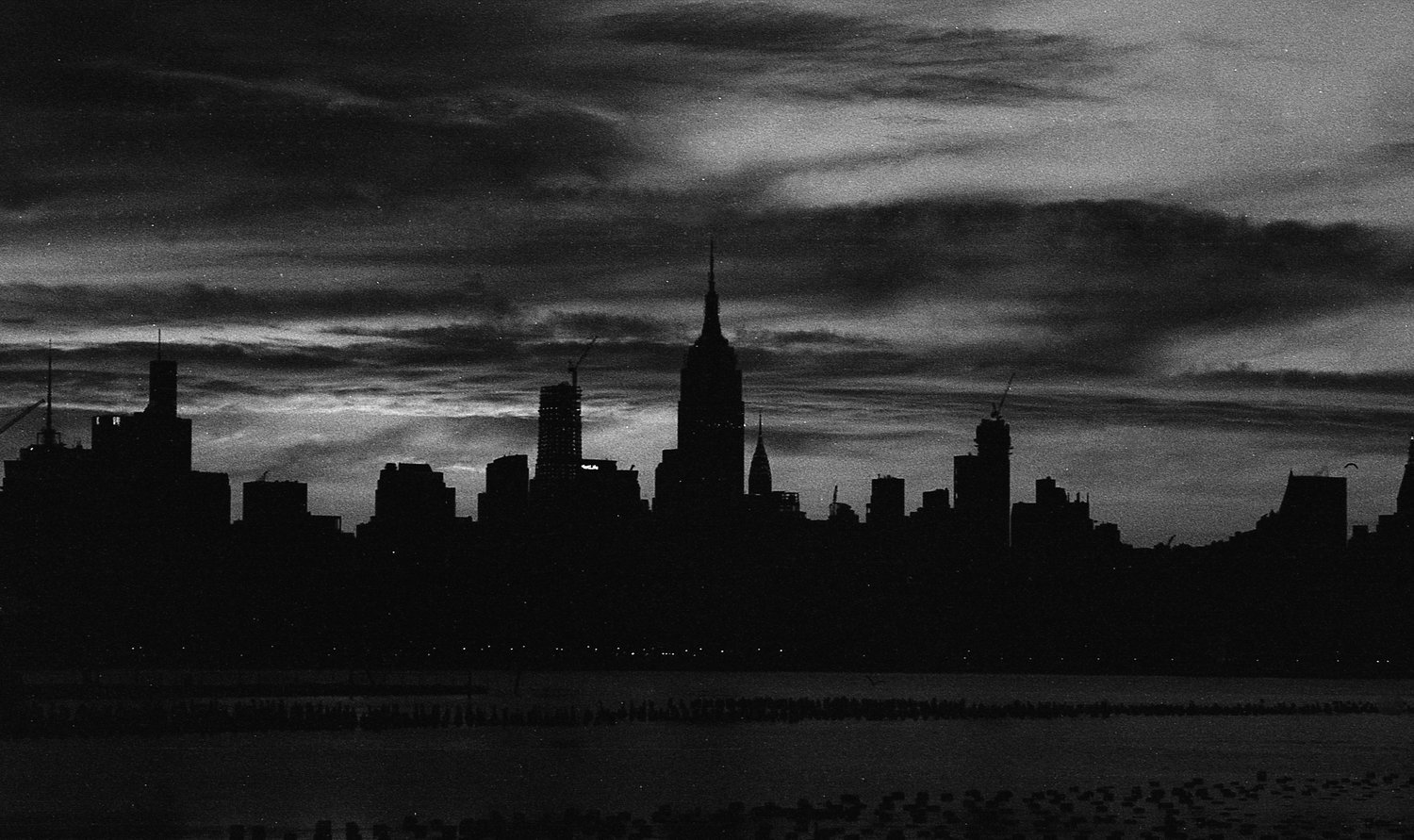
A Glimpse into the Unseen
In the midst of our daily commutes, we often find ourselves lost in thought or buried in our devices, unaware of the small things that surround us.

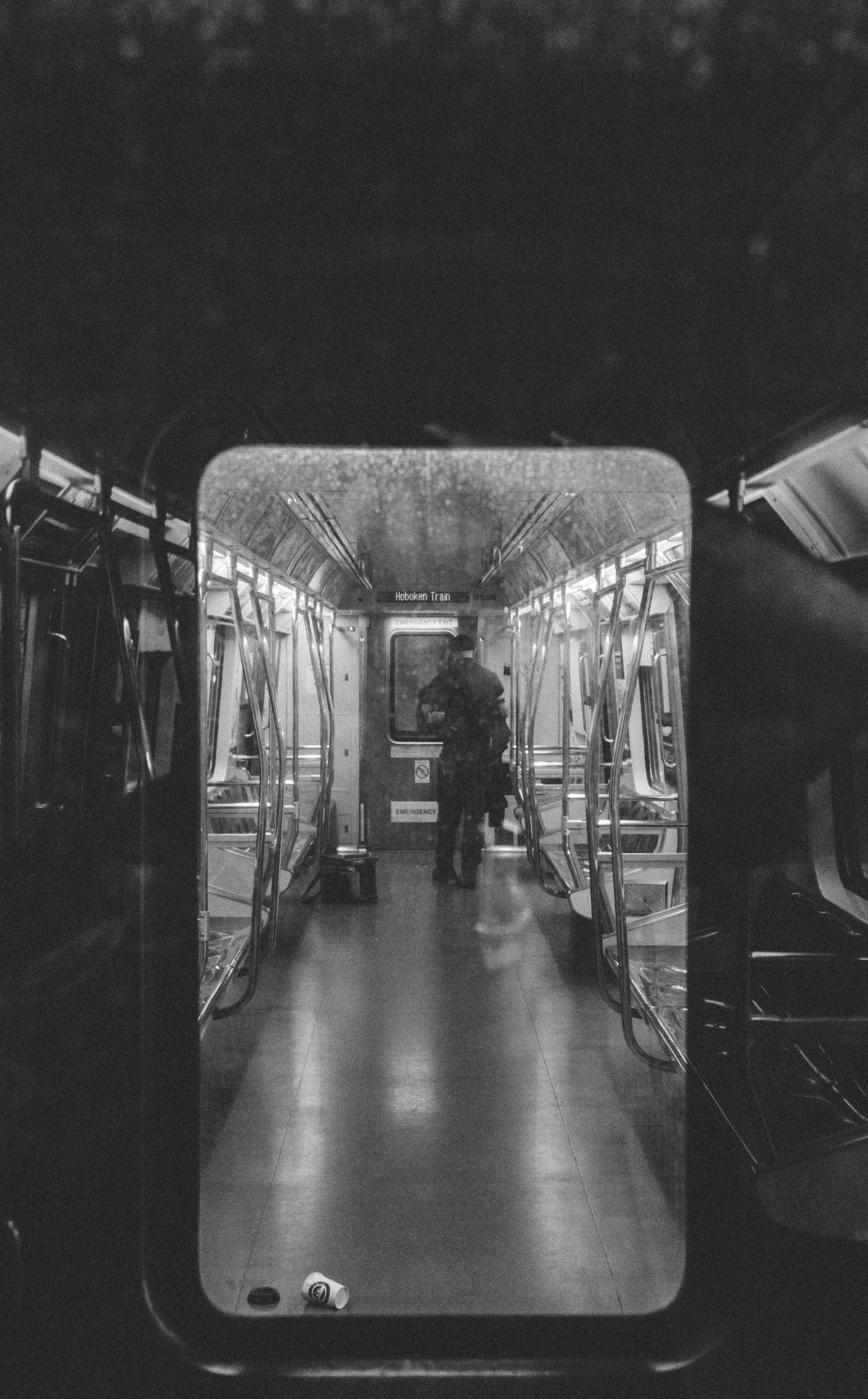
When we board a train, our focus tends to be on the destination, the people around us, or the tasks at hand. But there's an entire world that remains hidden unless we choose to look for it. The space between train cars is a realm that most passengers pass through without a second thought.
The space between train cars is not just a physical transition; it's also a metaphorical one. It's a threshold between two worlds, a momentary pause in the journey, and a reminder that every trip, no matter how routine, contains its own unique moments.
So, the next time you board a train or find yourself in a seemingly mundane situation, take a moment to pause, to look around, and to appreciate the subtle details that make up the tapestry of life. There's a world of beauty waiting to be discovered in the unseen.