

Fan Ho: Capturing Hong Kong's Soul Through the Lens of a Legend
Hong Kong Venice, 1962
Photography is not just about capturing moments; it's about encapsulating the essence of a time, a place, and a culture. One photographer who achieved this with unparalleled grace and skill was Fan Ho, a master of street photography. From his unique perspective, Fan Ho brought the streets of Hong Kong to life through his lens, creating a visual narrative that continues to inspire photographers and art enthusiasts around the world.

Quarter to Four 1950/60s
Fan Ho was born in Shanghai in 1931 and moved to Hong Kong at the tender age of 18. He soon fell in love with the bustling city's vibrant streets and intricate alleyways, and it wasn't long before he decided to document its everyday life through the art of photography.
Hong Kong in the 1950s and 1960s was a place of stark contrasts - a fusion of traditional Chinese culture and the influences of British colonialism. Fan Ho's photographs reflect this duality, capturing the essence of a city in transition.
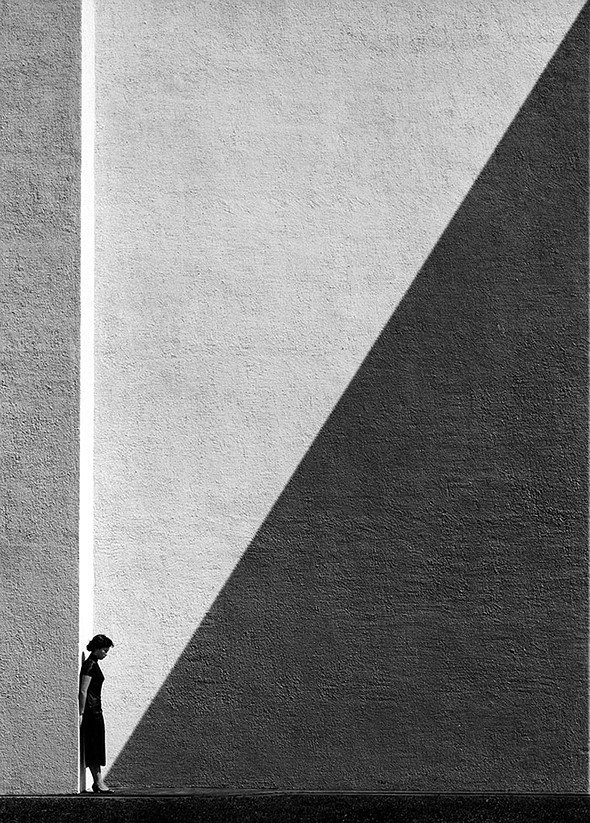
Approaching Shadow 1954.
What sets Fan Ho apart from many other photographers is his extraordinary sense of composition. His photographs are meticulously framed, and each element within the frame plays a vital role in telling a story. He often used elements like light, shadow, and reflections to create visual poetry on the streets of Hong Kong.
One of his most iconic photographs, "Approaching Shadow," exemplifies his mastery of composition. The image showcases a woman leaning against a wall in a narrow alleyway, with the play of light and shadow creating a dramatic and almost cinematic atmosphere. Fan Ho's ability to capture these fleeting moments is what makes his work so enduring.

On the Stage of Life 1954
Beyond the aesthetics of his photographs, Fan Ho had a unique talent for capturing the humanity of his subjects. Whether it was a group of children playing in the streets or an elderly man deep in thought, his images resonate with a sense of empathy and connection. Fan Ho's photographs are a window into the lives of people in Hong Kong during a specific era, revealing their struggles, aspirations, and joys.
As time marches on, Fan Ho's photographs serve as a time capsule, preserving the history and culture of Hong Kong during a pivotal period. The Hong Kong he documented no longer exists in the same way, making his work even more invaluable.
Fan Ho's photography is a testament to the power of capturing a place and its people through the eyes of a talented artist. His work continues to inspire photographers and art enthusiasts alike, reminding us of the beauty that can be found in the everyday. Fan Ho's unique perspective on Hong Kong has left an indelible mark on the world of photography, and his legacy lives on through his timeless images.

The Art of Blur: When Imperfection Becomes the Focal Point

In the world of photography, sharpness and clarity have long been celebrated as hallmarks of a great image. However, there's a compelling argument to be made for the creative and expressive use of blur as a focal point in a photograph. Contrary to conventional wisdom, blur can add depth, emotion, and intrigue to an image, turning imperfection into artistry.
In photography, we often associate focus with sharpness, but it's essential to recognize that focus doesn't necessarily mean everything should be crystal clear. Blur can redirect the viewer's attention, guiding their gaze to specific elements within the frame. It can be a tool for storytelling, highlighting what's essential and obscuring distractions.

Blur can create a sense of depth and dimension in an image. By intentionally blurring the foreground or background, you can emphasize the subject in the middle ground, drawing the viewer's eye to a specific point of interest. This technique can be particularly effective in landscapes and portraits.
Blur can convey motion and emotion in a photograph. Think of the iconic images of a speeding train captured with a sense of dynamic energy. The intentional blurring of moving elements can evoke a feeling of motion and excitement, allowing the viewer to experience the scene on a deeper level.

Blur can transform ordinary scenes into abstract works of art. By intentionally defocusing and creating shapes and colors through blur, you can craft images that are more about emotion and impression than a literal representation of reality. This approach encourages viewers to engage with the image on a visceral level, interpreting it in their unique way.
In some cases, blur can be used to soften distracting elements in a photograph. It allows you to remove clutter from the background or reduce the impact of unattractive elements without entirely eliminating them. This technique helps keep the viewer's attention where it matters most.
Blur opens the door to experimental photography. Techniques like panning, intentional camera movement, or using specialty lenses can create blur in innovative and unpredictable ways. Embrace the unknown, and you might stumble upon unexpected and breathtaking results.

Blur, when used thoughtfully and deliberately, can be a powerful tool in photography. It challenges traditional notions of focus and sharpness, inviting photographers to explore the creative possibilities that lie in imperfection. Whether you're seeking to convey emotion, create a sense of depth, or experiment with abstract artistry, blur can transform your images into compelling visual narratives. So, don't be afraid to let a bit of blur take center stage in your photographs and discover the unique stories it can tell.
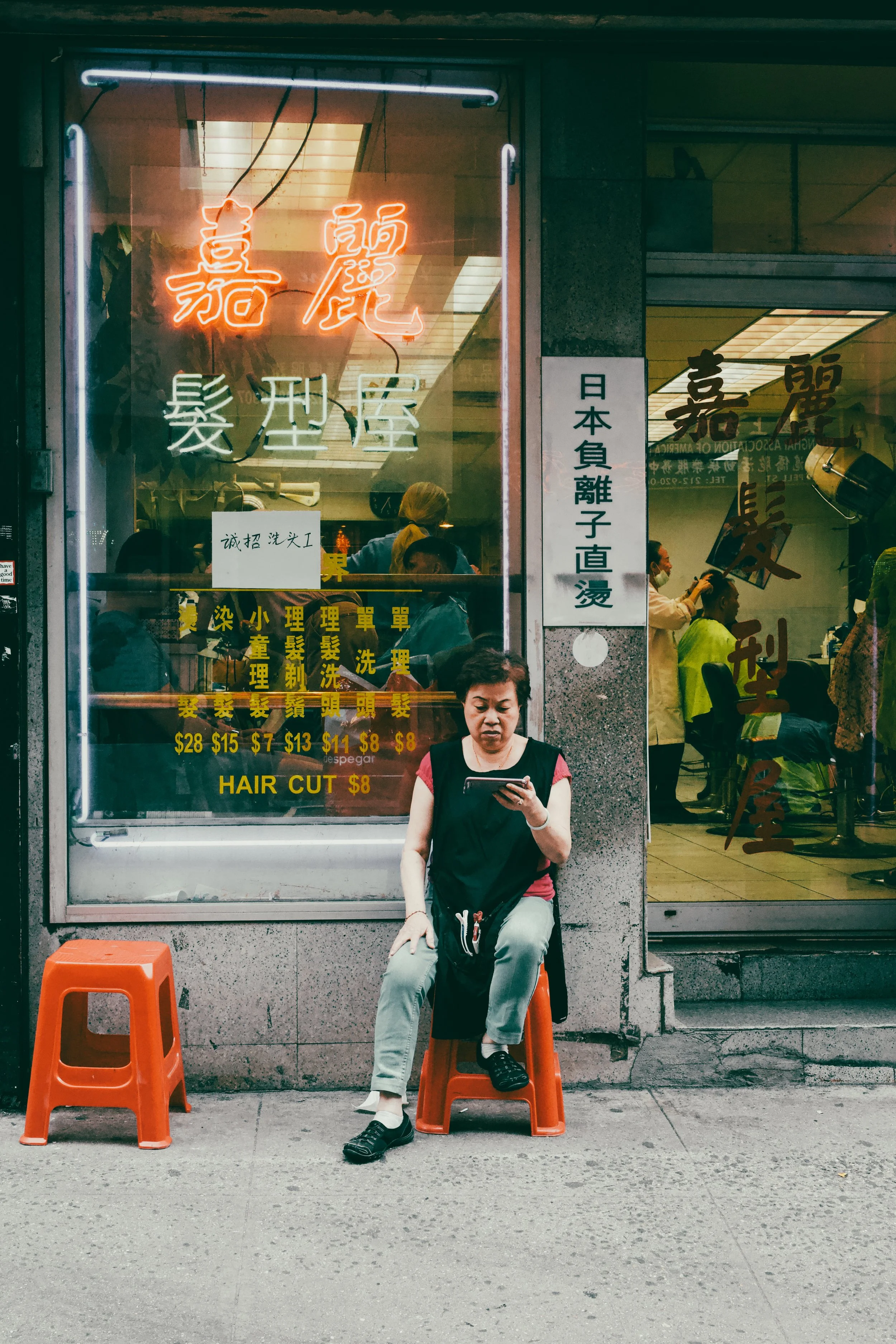
Beyond Comfort: The Art of Documentary Photography

In the world of photography, few genres demand as much courage, adaptability, and a willingness to step beyond one's comfort zone as documentary photography. These visual storytellers are often tasked with capturing raw, unscripted moments in the hustle and bustle of everyday life.

Documentary photographers are akin to stage performers, but their stage is the unpredictable and ever-changing streets of cities, towns, and communities. They step out with their cameras as their instruments, ready to capture the unfiltered, unposed moments that unfold before them. It's a realm where uncertainty is a constant companion.

Documentary photographers must navigate the delicate dance of human interaction. They often find themselves approaching strangers, asking for permission to capture intimate moments, or blending into crowds to remain inconspicuous. This requires a unique blend of assertiveness, empathy, and respect for personal boundaries.
Stepping out of one's comfort zone means embracing vulnerability. It's about acknowledging that not every shot will be perfect, that rejection and unexpected challenges are part of the journey. Yet, it's in this vulnerability that authenticity and genuine connections are forged.

Documentary photographers are driven by a deep desire to capture authenticity. They seek moments that reveal the true essence of their subjects and the environments they inhabit. This pursuit often leads them to communities and places they might never have ventured otherwise.

Beyond their comfort zones, these photographers become champions of stories that matter. They shed light on social issues, cultural nuances, and individual narratives that might otherwise go unnoticed. They use their art to provoke thought, inspire change, and document the world's evolving tapestry.

While venturing beyond one's comfort zone as a documentary photographer is challenging, the rewards are immeasurable. The images captured in these moments hold a profound sense of truth and humanity. They become a testament to the richness and diversity of the world we inhabit.

In the realm of documentary photography, comfort zones are meant to be pushed, boundaries tested, and vulnerability embraced. It's through these fearless acts of photography that stories are told, voices are heard, and truths are revealed. Street and documentary photographers are not just image-makers; they are storytellers who venture where others might hesitate. They remind us that it's only by stepping beyond our comfort zones that we truly see the world in all its unfiltered, authentic glory.